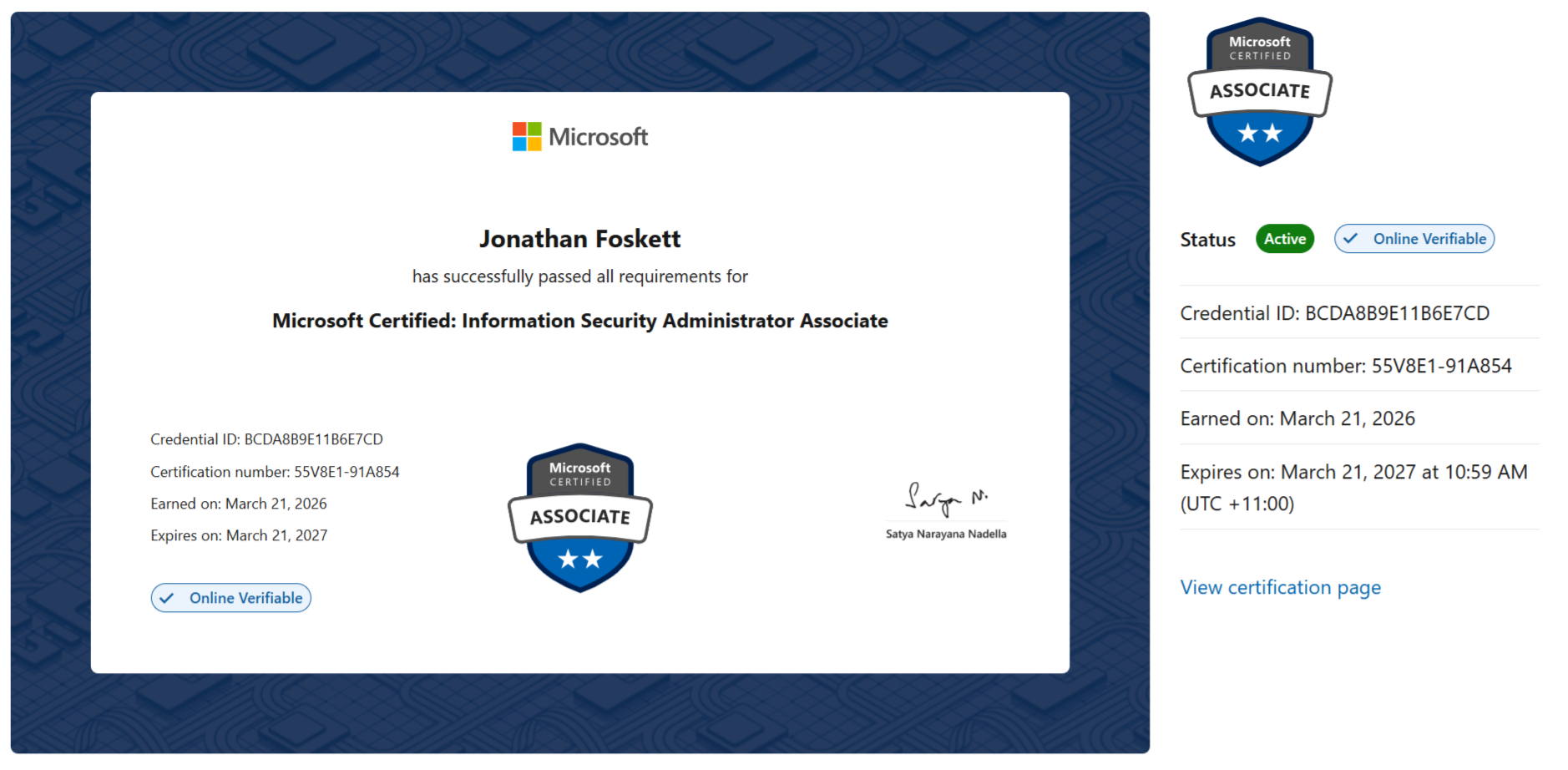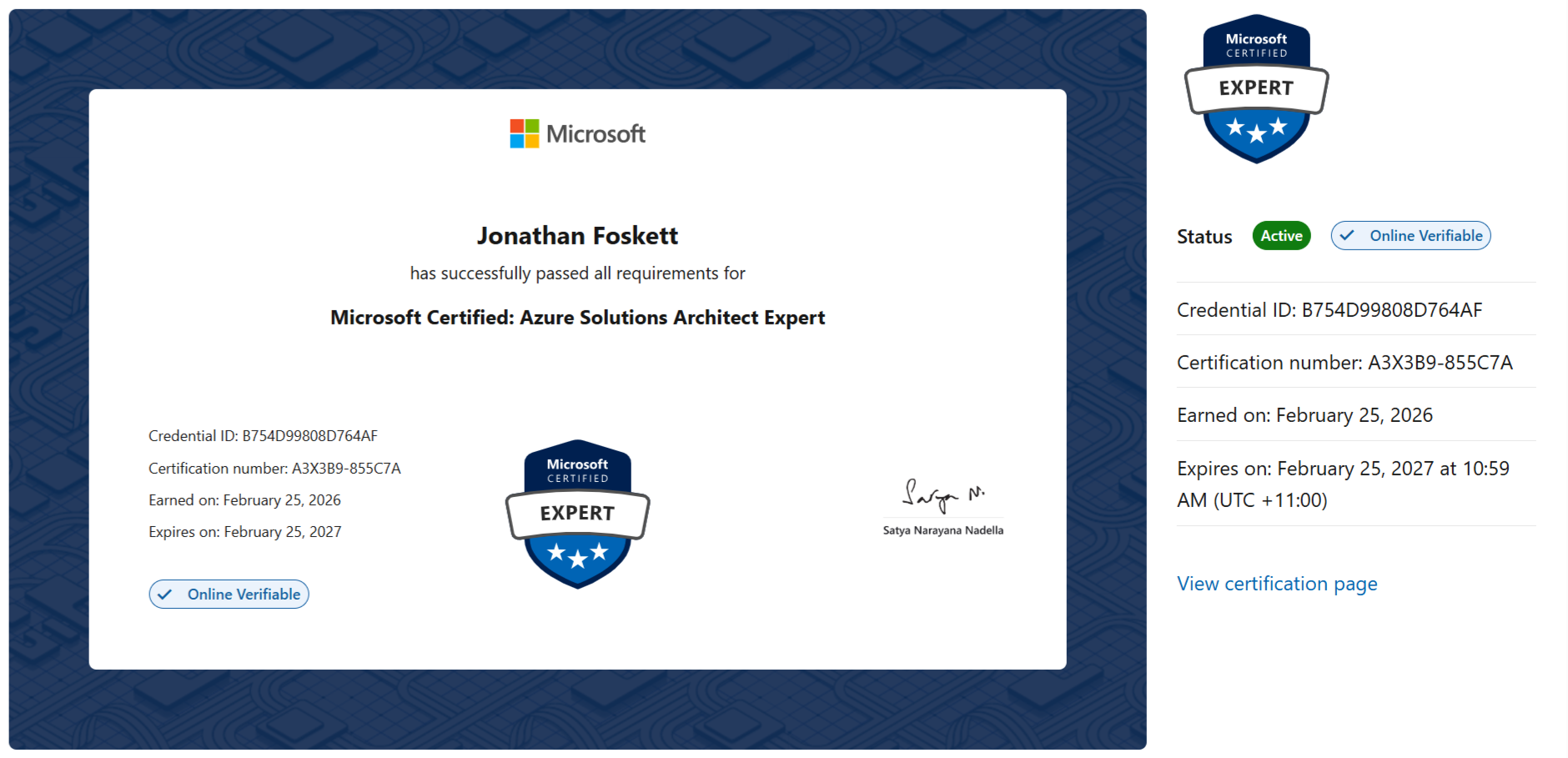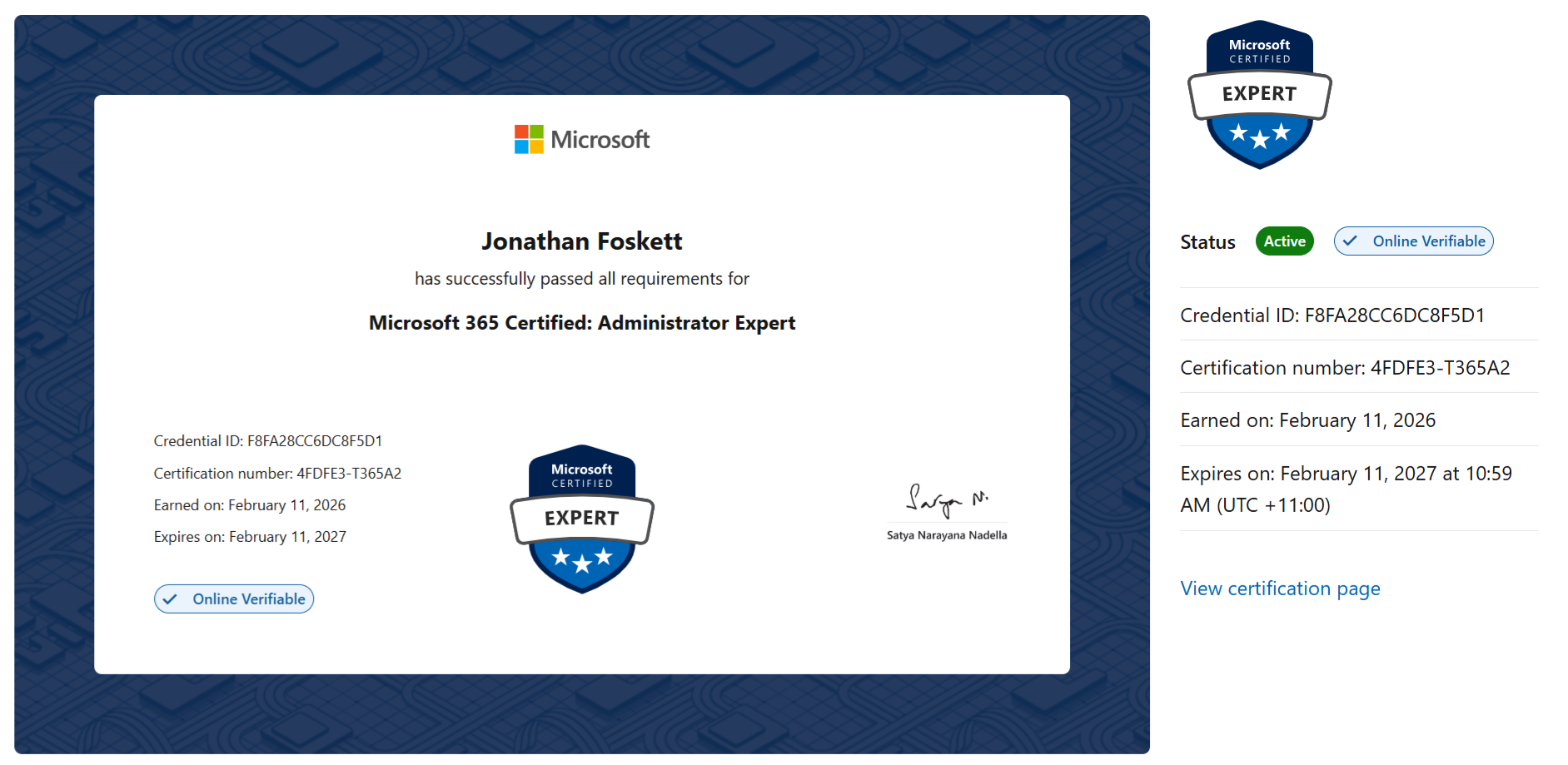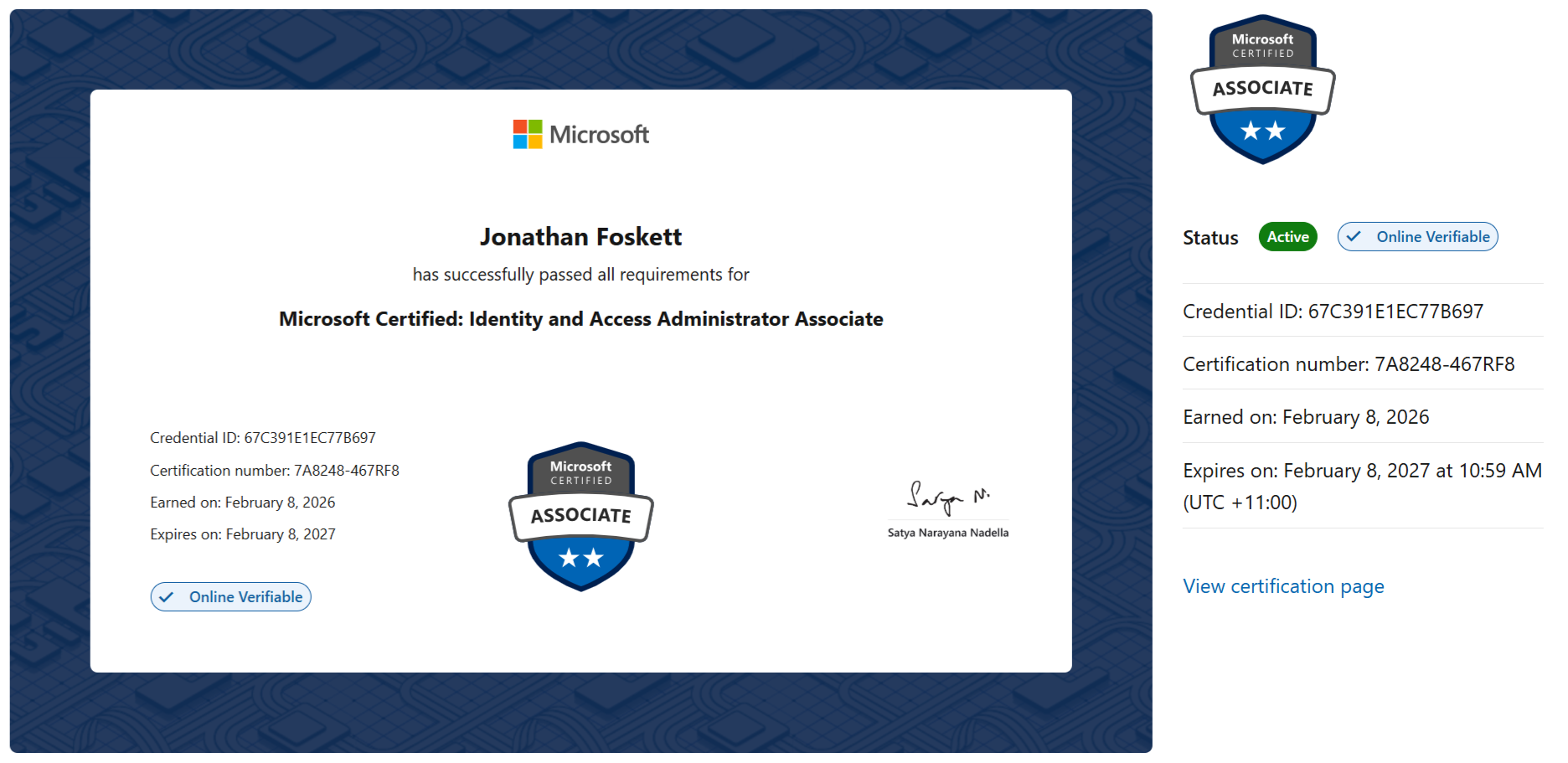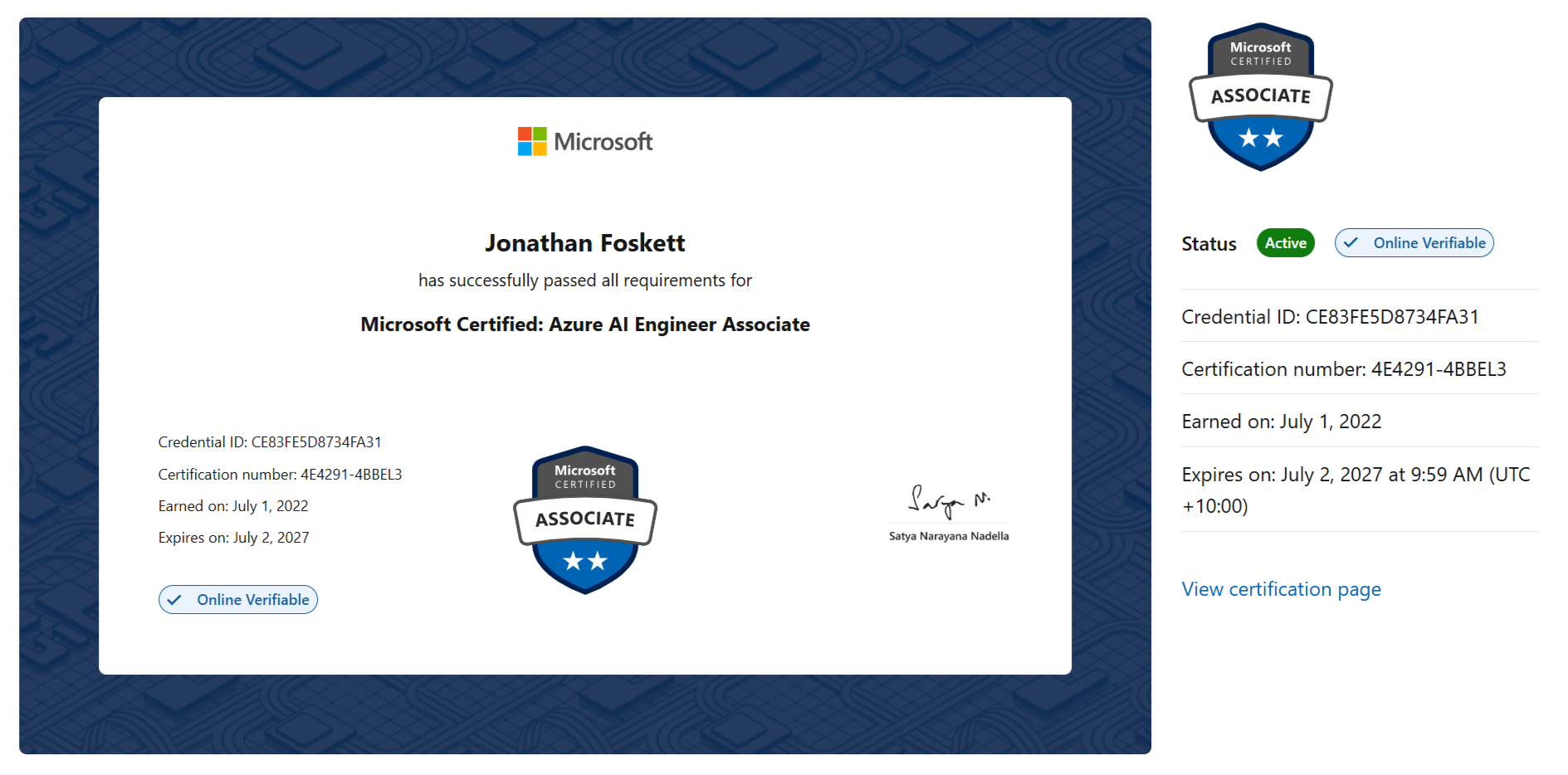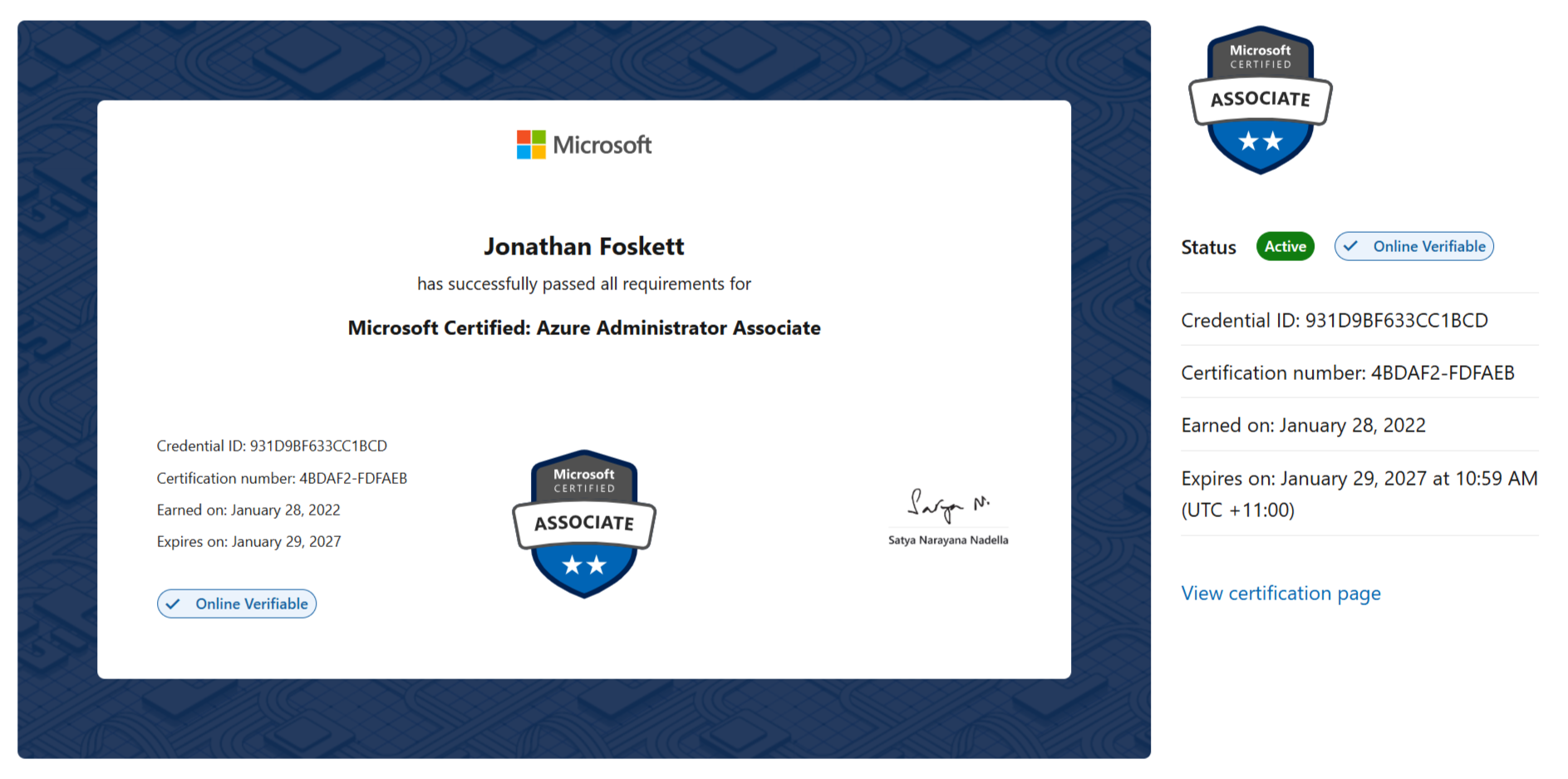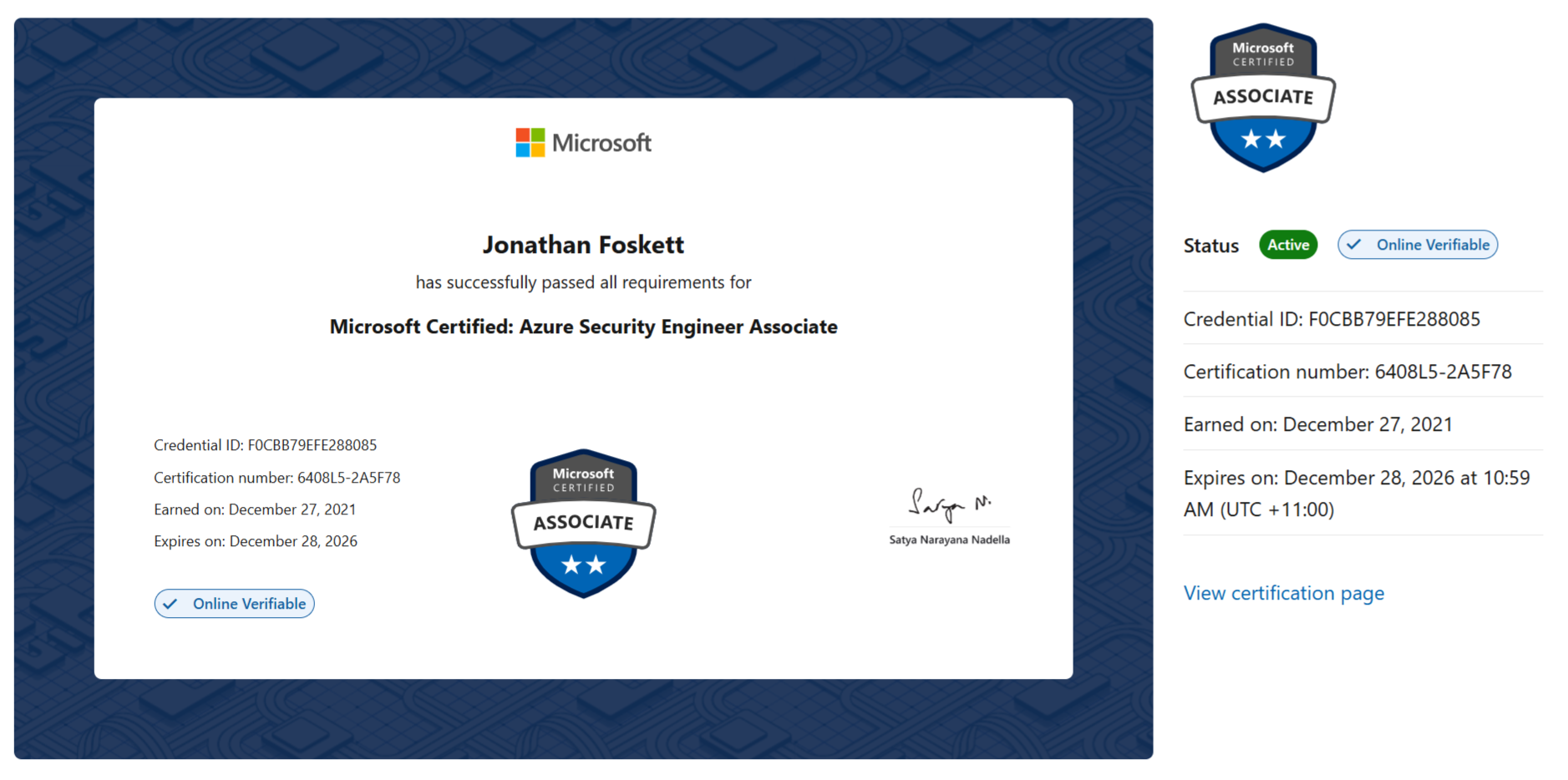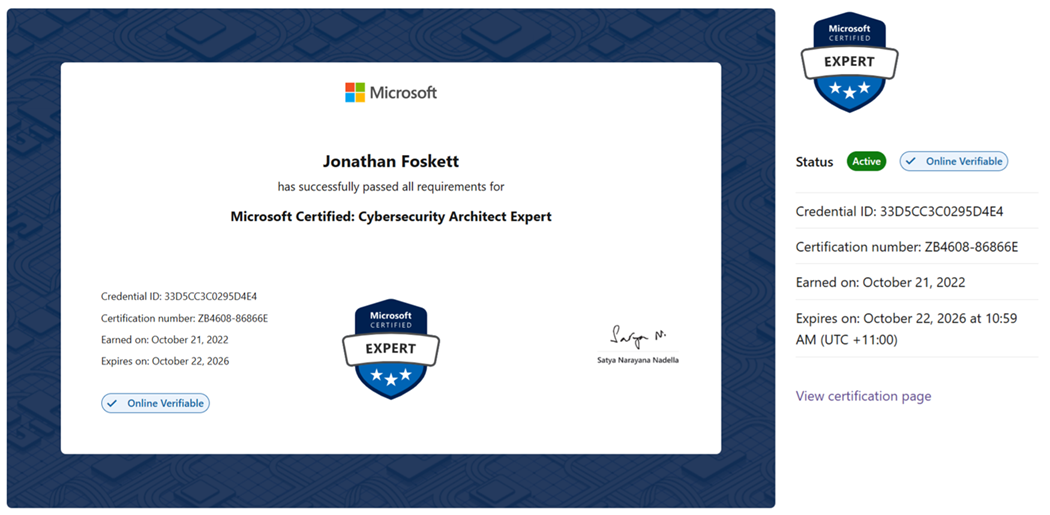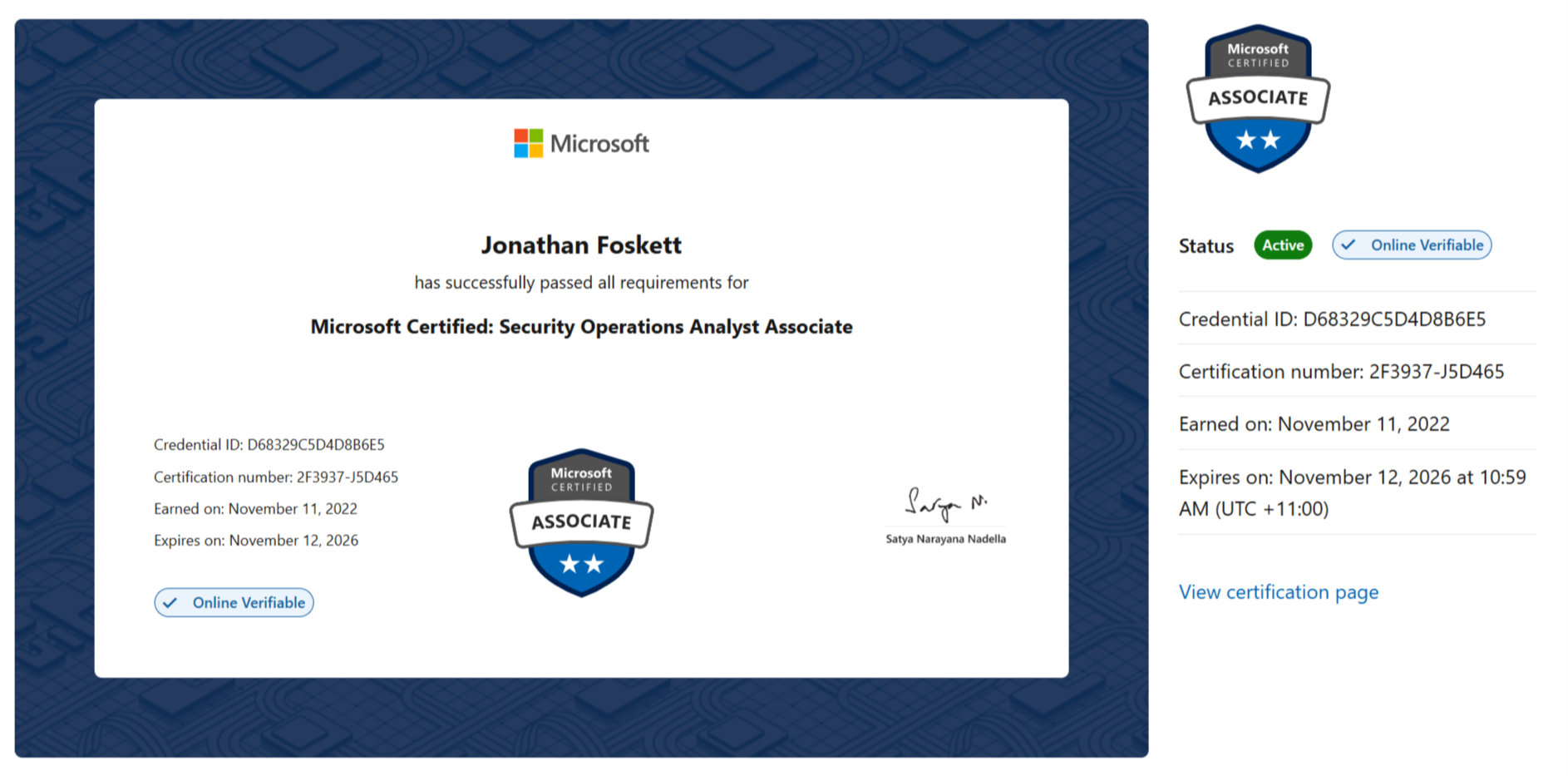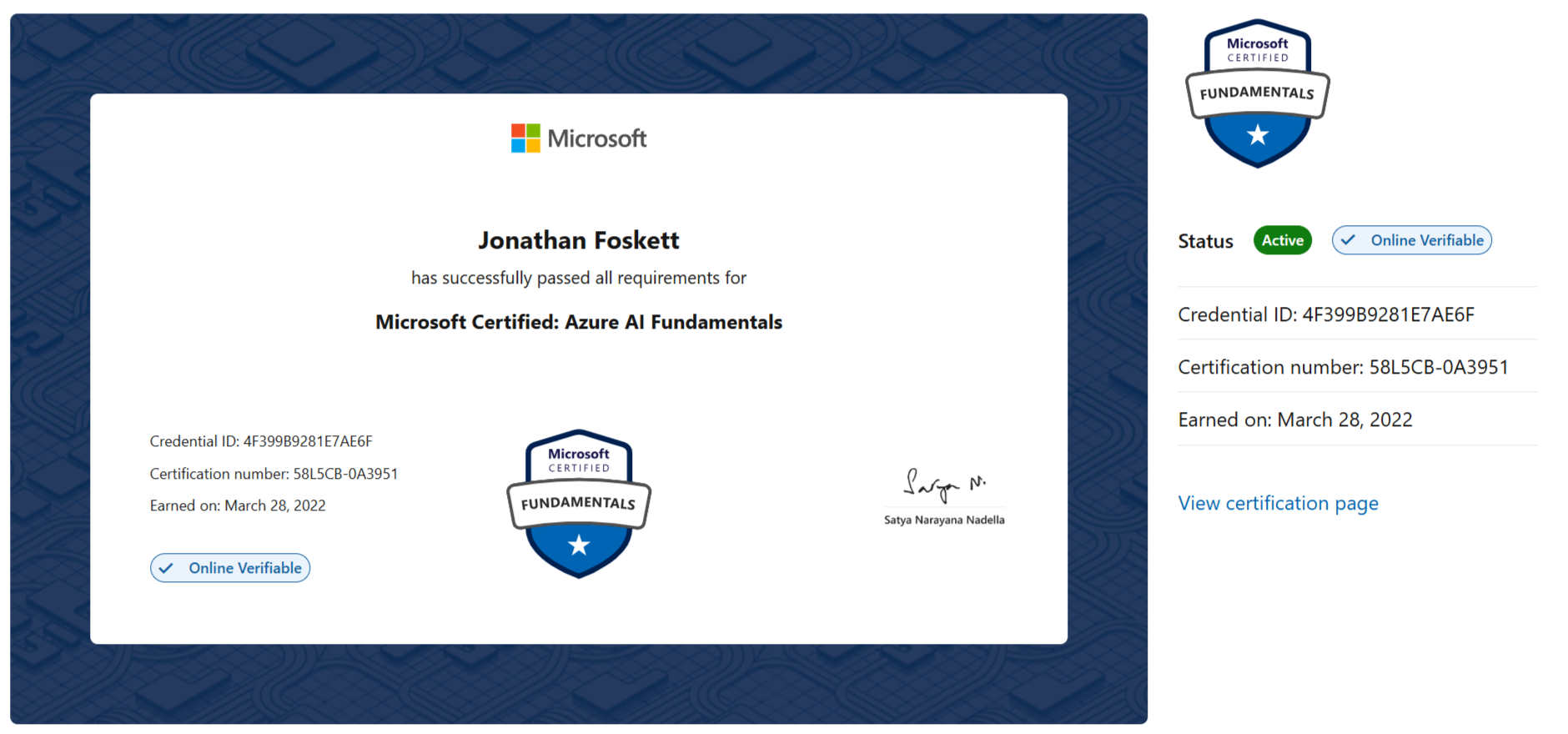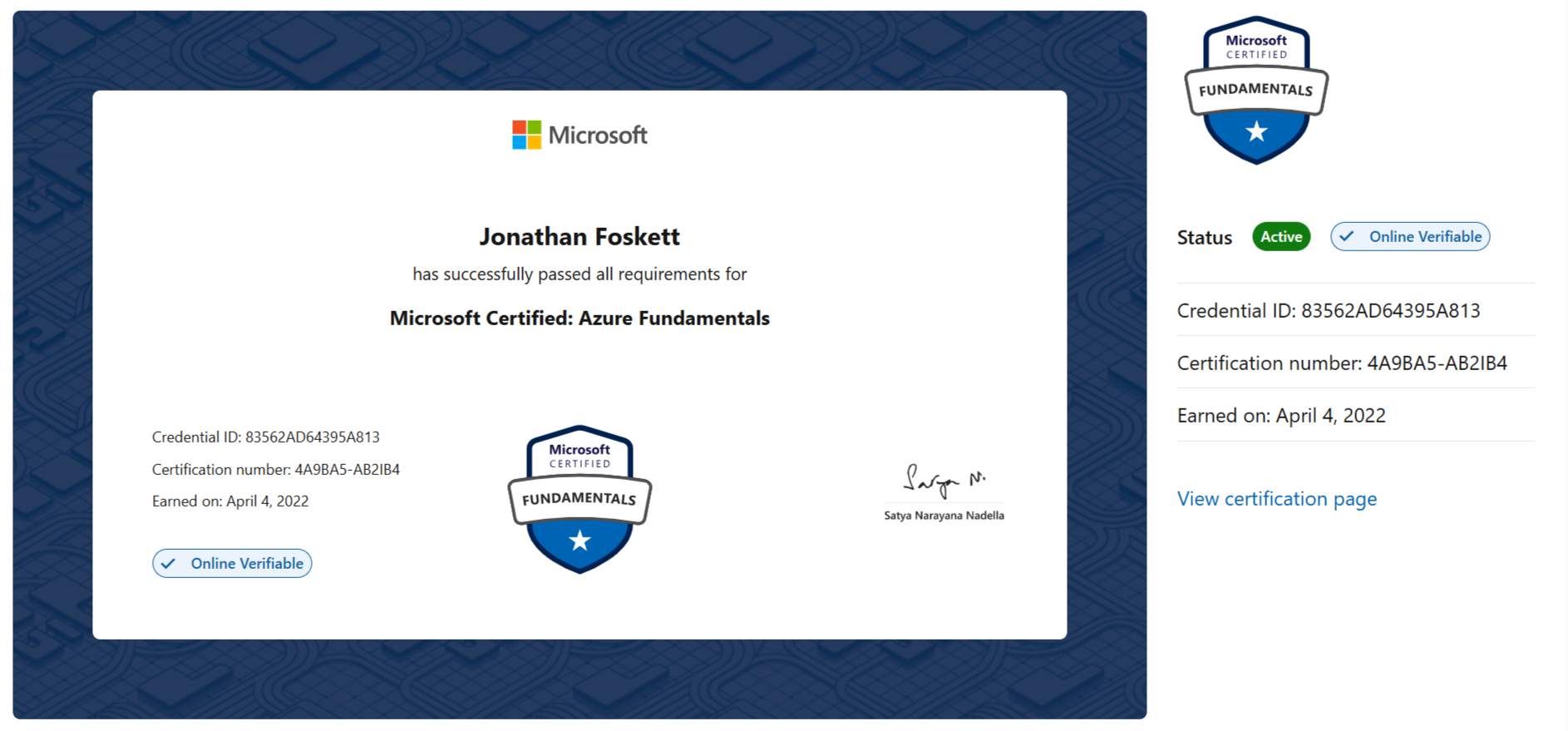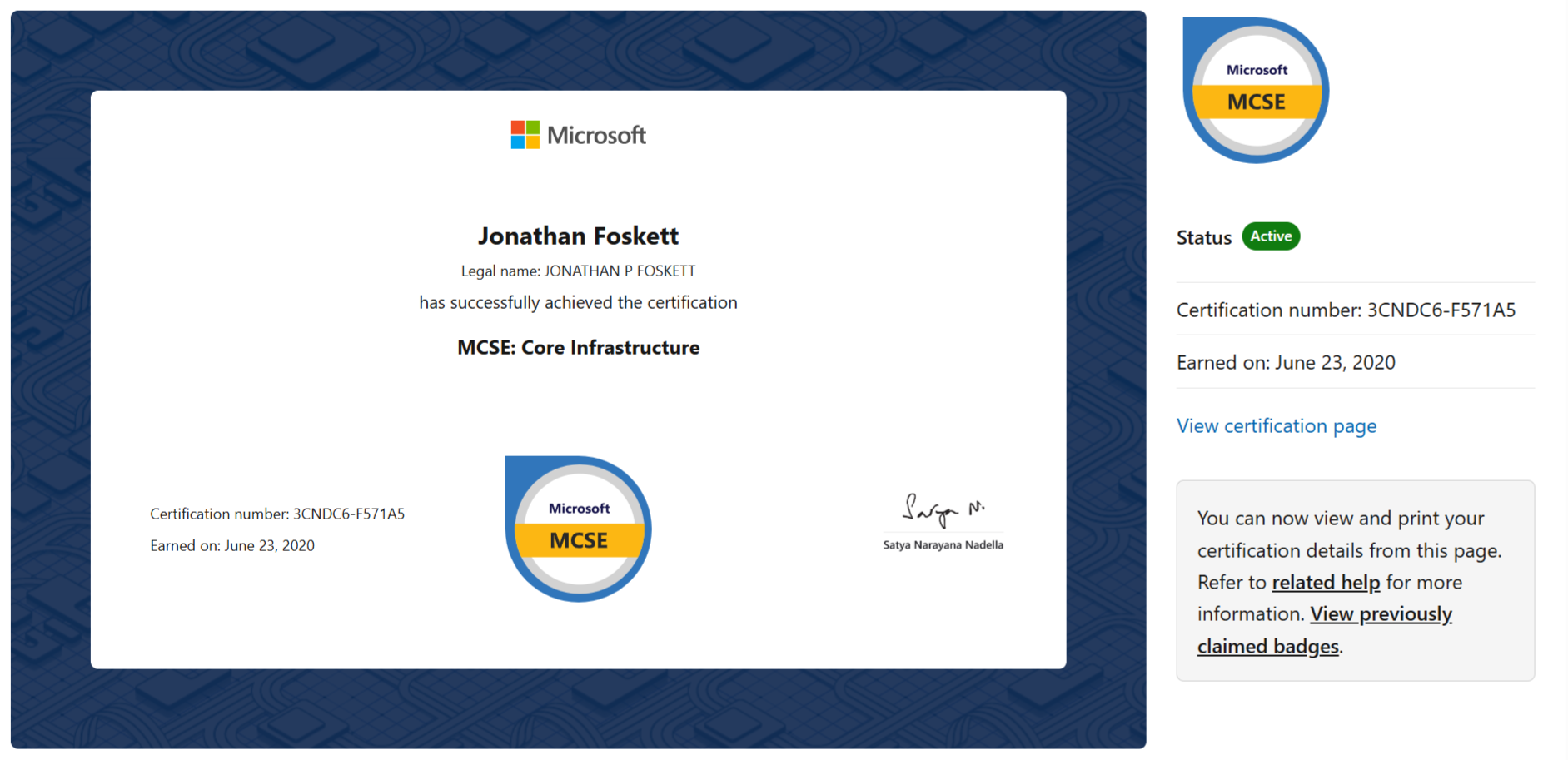
Microsoft Security • Sentinel • KQL • Detection • Response
Security Operations
Logs do not protect you by themselves. Security operations is where signal becomes action. GEMXIT helps organisations strengthen Microsoft Sentinel visibility, improve Defender XDR triage, investigate patterns with KQL, tune detections, and build response workflows around what the environment is really saying.

What this solves
Many businesses have log data, but not the visibility, pattern recognition, or response maturity to turn it into something useful before a problem grows.
Sentinel readiness and data flow
KQL investigation and anomaly hunting
Detections, dashboards, and response paths
Common security operations problems
The failure is rarely “no logs.” It is usually weak visibility, poor tuning, and no clear path from alert to action.
The alerts were there… but no one knew what they meantSignals existed, but the noise level was too high and nobody had confidence in what to investigate first.
Workbooks looked good, but nobody used themDashboards can become decoration if they are not tied to decisions, investigation habits, and escalation thinking.
Response was too ad hocWithout a clear playbook, evidence path, and ownership model, even good detections fail to produce good outcomes.
Why Microsoft Sentinel matters
Sentinel becomes powerful when it is used to connect logs, detections, context, and investigation logic across the environment.
Centralised visibilityBring identity, endpoint, and cloud signals together so unusual behaviour can be seen in one place rather than across disconnected tools.
KQL investigationKQL makes it possible to move beyond alert names and actually ask what changed, what does not fit, and what pattern is emerging.
Detection engineeringAnalytics rules should be meaningful, tuned, and aligned to what matters in the environment instead of just left at defaults.
Incident readinessThe goal is not more dashboards. It is better decisions, clearer escalation, and faster understanding when something is wrong.
What GEMXIT helps with
Security operations uplift grounded in real-world Microsoft environments and practical investigation habits.
Sentinel onboarding and reviewCheck log source coverage, workspace visibility, connector value, and whether the platform is showing what it needs to show.
KQL-driven analysisUse KQL to investigate sign-in anomalies, suspicious behaviour, and patterns that do not fit expected activity.
Detections and workbooksImprove analytics rules and workbooks so they help teams see and act, rather than simply produce more visual noise.
Response thinkingBuild a clearer path from signal to triage, evidence, containment, and follow-up action.
Real-world security operations findings
Security operations problems are often hidden in the gap between “we have the tools” and “we know exactly what to do when something happens.”
Incidents are opened but not ownedAlerts appear in Sentinel or Defender XDR, but there is no clear triage owner, escalation path, or follow-up action.
Too much default noiseDefault rules and alerts can produce noise without matching the real risk profile of the organisation.
Investigations stop at the alert titleTeams see the alert name but do not pivot into related identity, device, email, network or cloud activity.
No repeatable evidence pathWhen an incident occurs, the team needs a consistent way to collect evidence, record decisions and explain what happened.
Security operations capability areas
A practical security operations model connects the Microsoft tools, the people using them, and the decisions that need to be made under pressure.
Alert triage modelDefine what gets reviewed first, what can wait, what must be escalated, and what evidence is needed before closing an incident.
KQL investigation playbooksBuild repeatable queries and investigation paths for common scenarios such as impossible travel, suspicious processes and phishing activity.
Workbook and dashboard designCreate visibility that supports decisions, not just attractive charts. The best workbook answers a real operational question.
Detection improvement cycleReview which detections fired, which were missed, which were noisy, and how the rules should change over time.
Agent Foskett investigation approach
GEMXIT uses the Agent Foskett style of investigation to make security operations easier to understand, teach and repeat.
Start with the storyEvery incident has a timeline: who, what, where, when, device, app, IP address, process, mailbox, and action taken.
Use KQL to prove the patternKQL helps move from guesswork to evidence by showing the activity before, during and after an event.
Teach the response pathThe goal is not just to fix one alert. It is to help administrators and analysts understand what the logs were trying to say.
Turn findings into improvementsEach investigation should feed back into better detections, better workbooks, better policies and better response habits.
Frequently asked questions
What are security operations?Security operations are the people, tools and processes used to detect, investigate, respond to and improve against security threats.
Do we need a full SOC?Not every organisation needs a large SOC, but every organisation should have clear alert ownership, investigation steps and escalation paths.
Why does KQL matter?KQL allows teams to search Microsoft security data, investigate behaviour, build detections and understand patterns beyond basic alert names.
How does Defender XDR fit in?Defender XDR provides connected security incidents across endpoint, identity, email and cloud signals that can feed security operations workflows.
What makes a useful security workbook?A useful workbook answers a question the team actually needs to answer, such as risky sign-ins, after-hours activity, incident trends or policy gaps.
How often should detections be reviewed?Detections should be reviewed regularly and after major incidents, licensing changes, new systems, new attack patterns or operational changes.
GEMXIT PTY LTD GEMXIT UK LTD © GEMXIT 2026